
Naylor Stewart Foundation: Family at the core of giving
A family foundation shaped by quiet commitment: giving with purpose, humility and family at its core
For some families, philanthropy begins with a defining moment. For others, it evolves more quietly, shaped over time by experience, perspective and a shared sense of responsibility. For the Naylor Stewart Foundation, it is firmly the latter.
Established more than a decade ago by Helen Stewart and Gordon Naylor, along with children David, Isabel and Liam, the Foundation reflects a thoughtful, deeply considered approach to giving. There is no grand narrative or desire to create one. Instead, what underpins their philanthropy is a simple conviction: the resources they have are better placed in the hands of organisations equipped to create meaningful change.
As Gordon puts it, “The money is probably better off with them than with us.” It’s a pragmatic view, but also a generous one, grounded in clarity of purpose.
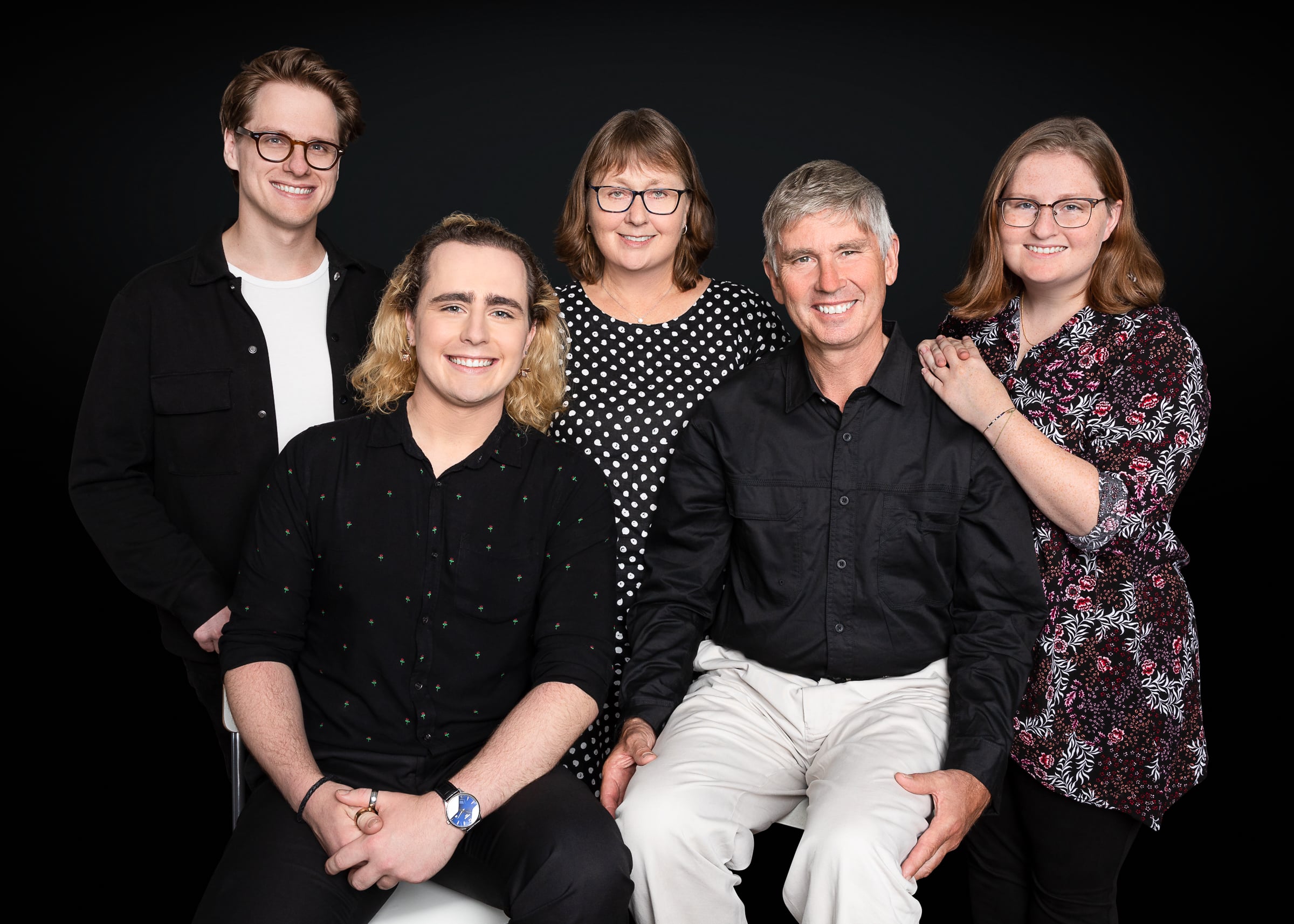
Why the family chose structured giving
The decision to formalise their giving through a structured vehicle was both practical and intentional. Having lived and worked internationally, Helen and Gordon were familiar with similar philanthropic models overseas. Establishing a foundation in Australia provided a way to separate the act of giving from the timing of gifts, allowing for a more measured, considered approach.
Structure creates consistency, not control
But structure, for this family, is not about control. It is about enabling consistency, thoughtfulness and, ultimately, better outcomes for the charities and communities they support.
Their giving has evolved over time. Early giving was, by their own admission, somewhat ad hoc, reflecting the broad range of causes they cared about. Introducing a clearer framework, with the help of APS’s Giving Services team, helped bring clarity, without losing flexibility. Today, their giving is guided by shared focus areas, alongside space for individual “passion projects”.
The result is a philanthropic portfolio that balances intention with curiosity; large, long-term commitments alongside smaller, exploratory grants.
Trust-based philanthropy and quiet impact
What stands out most about the Naylor Stewart Foundation is not where they give, but how they think about giving.
There is a strong preference to trust those on the ground, allowing charities to allocate funds where they are most needed, rather than imposing strict conditions or expectations.
“We’re not the experts,” reflects Helen. “We have an interest, and we have resources, but that doesn’t mean we know better than the people doing the work.”
It is a perspective that reflects a broader belief that effective philanthropy is less about directing outcomes and more about enabling the people and organisations best placed to achieve them.
What the family has learned through giving
Over time, the family has developed a nuanced understanding of the sector. Like any form of investment, not every decision yields the same results. Some relationships flourish, deepening over years of engagement. Others fall away, sometimes due to limited communication, sometimes due to concerns about effectiveness.
Impact is not always easy to measure
These experiences are not viewed as failures, but as part of the learning process.
There is an appreciation that impact is not always visible, and that smaller organisations, particularly those working in complex or under-resourced environments, may not always have the capacity to report extensively. At the same time, there is a clear expectation of competence and impact.
“It’s not enough for charities to have good intentions,” Gordon notes. “They still need to be able to deliver.”
Involving the next generation in family philanthropy
An important aspect of the Naylor Stewart Foundation is the way philanthropy has been embedded across generations.
The decision to involve the children from the outset was partly practical, after all, this was wealth that might otherwise have been inherited, and partly philosophical. As Gordon notes, there was “a little bit of Schadenfreude” in inviting the next generation to participate in the dispersal of what they might otherwise have inherited. But the deeper reason was simpler: the children have a different view of the world, and that matters.
Different generations bring different perspectives
The result is a genuinely collaborative model. Each family member has areas of interest they help shape, contributing to a diverse and evolving portfolio of giving. Discussions are informed by different generational viewpoints, often leading to richer, more considered decisions.
For the next generation, the experience has been formative. It has provided not only exposure to a wide range of social and environmental issues, but also an understanding of responsibility and what it means to steward resources thoughtfully.
“It’s been really interesting to have your own little area of interest,” Liam reflects. But beyond the responsibility, what has stayed with him is the exposure and relationship building: attending meetings, going for coffee with charity leaders, learning to assess organisations and ask the right questions. “Being able to engage with all these different organisations, understand what their challenges are, and do that for going on ten years, I think that’s been really valuable,” he says.
Importantly, this involvement is not framed as a privilege alone, but as a duty – funds to be actively directed and an opportunity to contribute rather than simply receive.
Looking ahead : a foundation for doing good
The family is pragmatic about the future. There is no strong desire to build a legacy for its own sake, or to create an enduring philanthropic “institution”. If the foundation continues beyond them, it will be because it remains useful; a vehicle for doing good, rather than an end in itself.
What matters most is that the intent endures: a commitment to thoughtful giving, grounded in humility, shaped by family, and focused firmly on impact.
Frequently asked questions
What is family philanthropy?
Family philanthropy is the practice of giving as a family, often through a structured vehicle such as a foundation, giving fund or ancillary fund. It can help families clarify shared values, involve multiple generations and support charitable organisations in a more intentional way.
How does structured giving support long-term impact?
Structured giving can help donors separate the decision to give from the timing of the giving. This allows families time to plan their giving thoughtfully and build deeper relationships with charities and communities.
Why involve the next generation in giving?
Involving the next generation can help families share values, broaden perspectives and build practical experience in charitable decision-making. It can also help younger family members understand the responsibility of stewarding resources for public benefit.
This article was prepared by Australian Philanthropic Services, drawing on our experience supporting families with structured giving and family philanthropy in Australia.
9 September 2026